DVC II: Senior Showcase
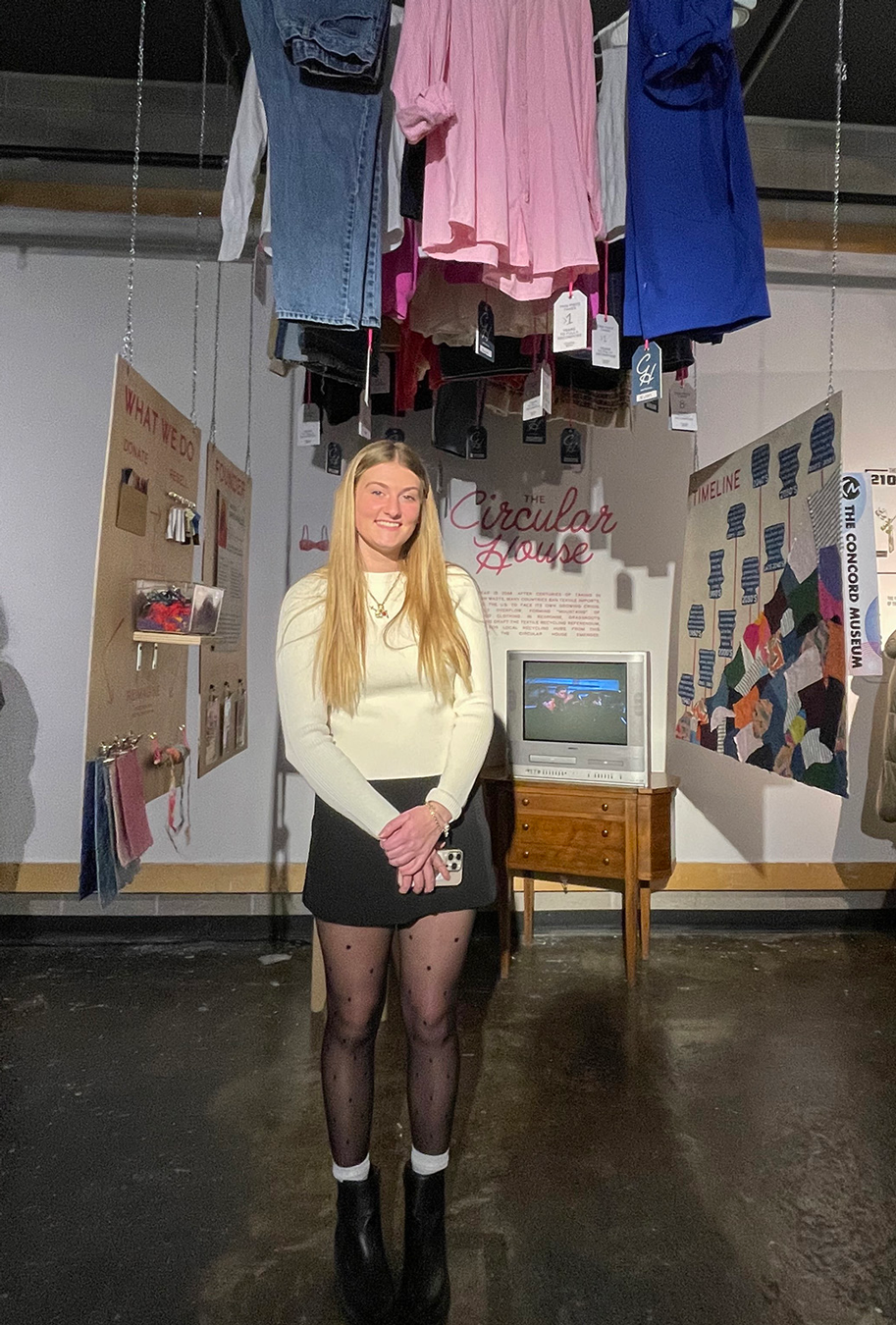
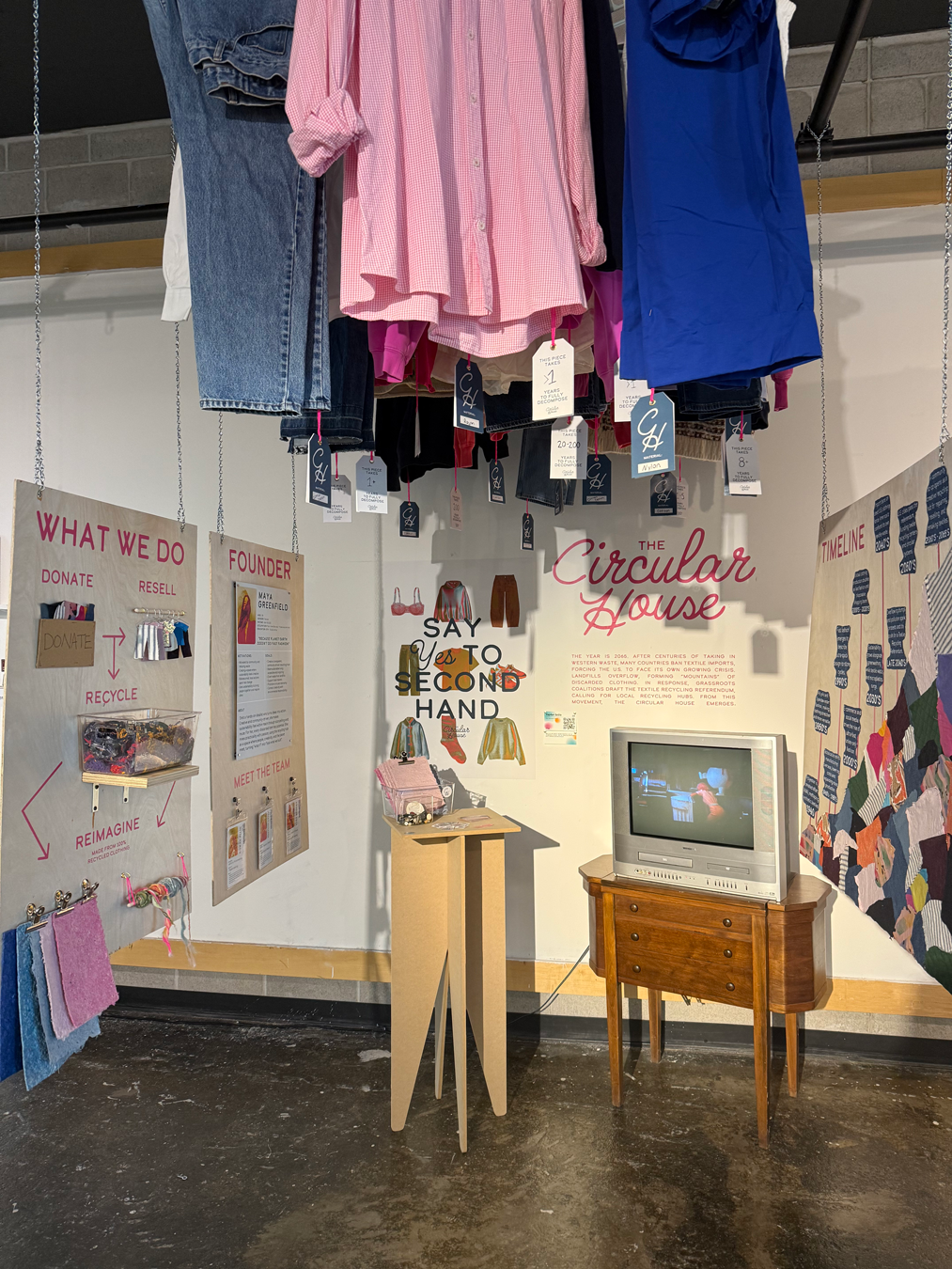
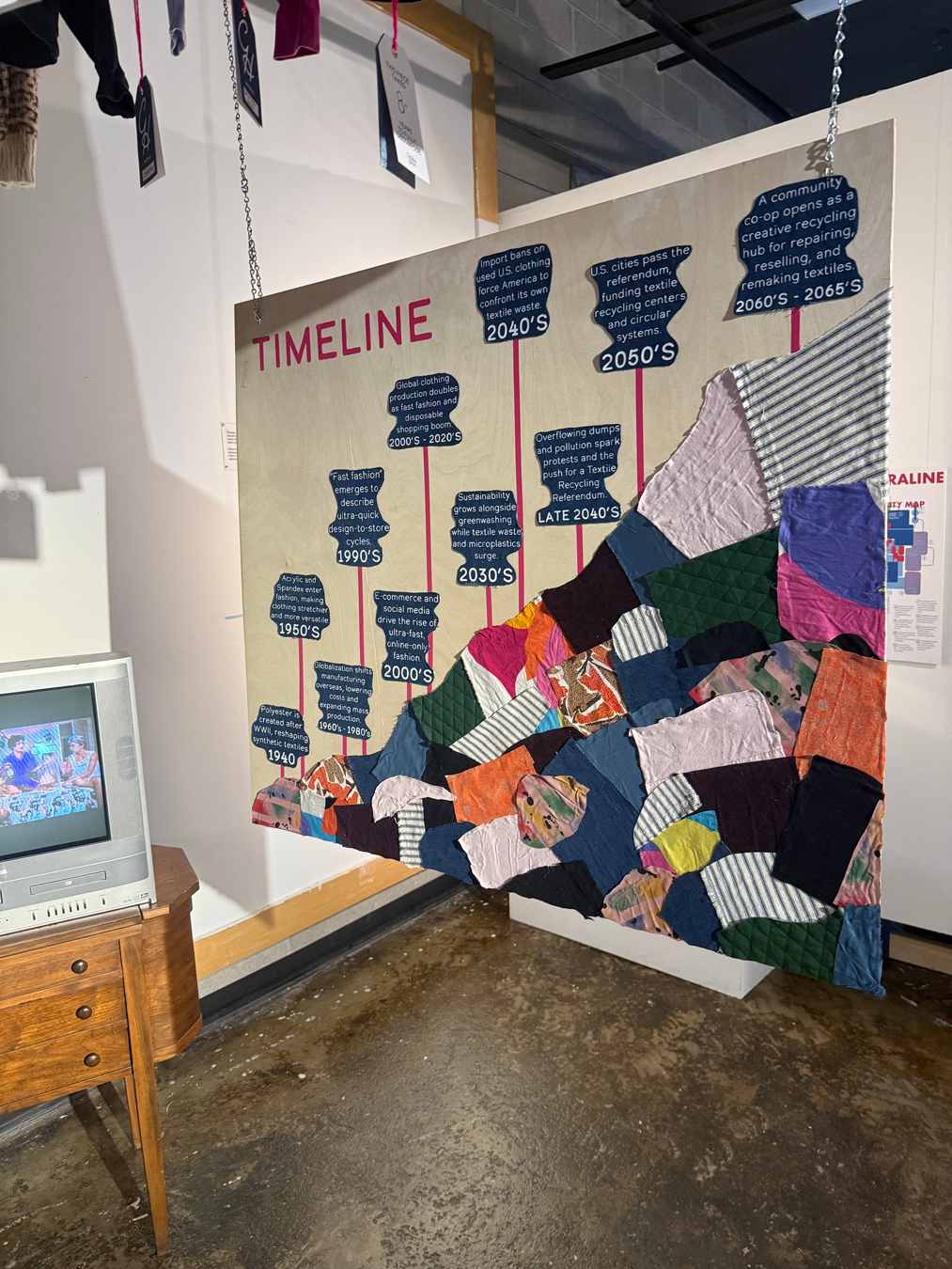
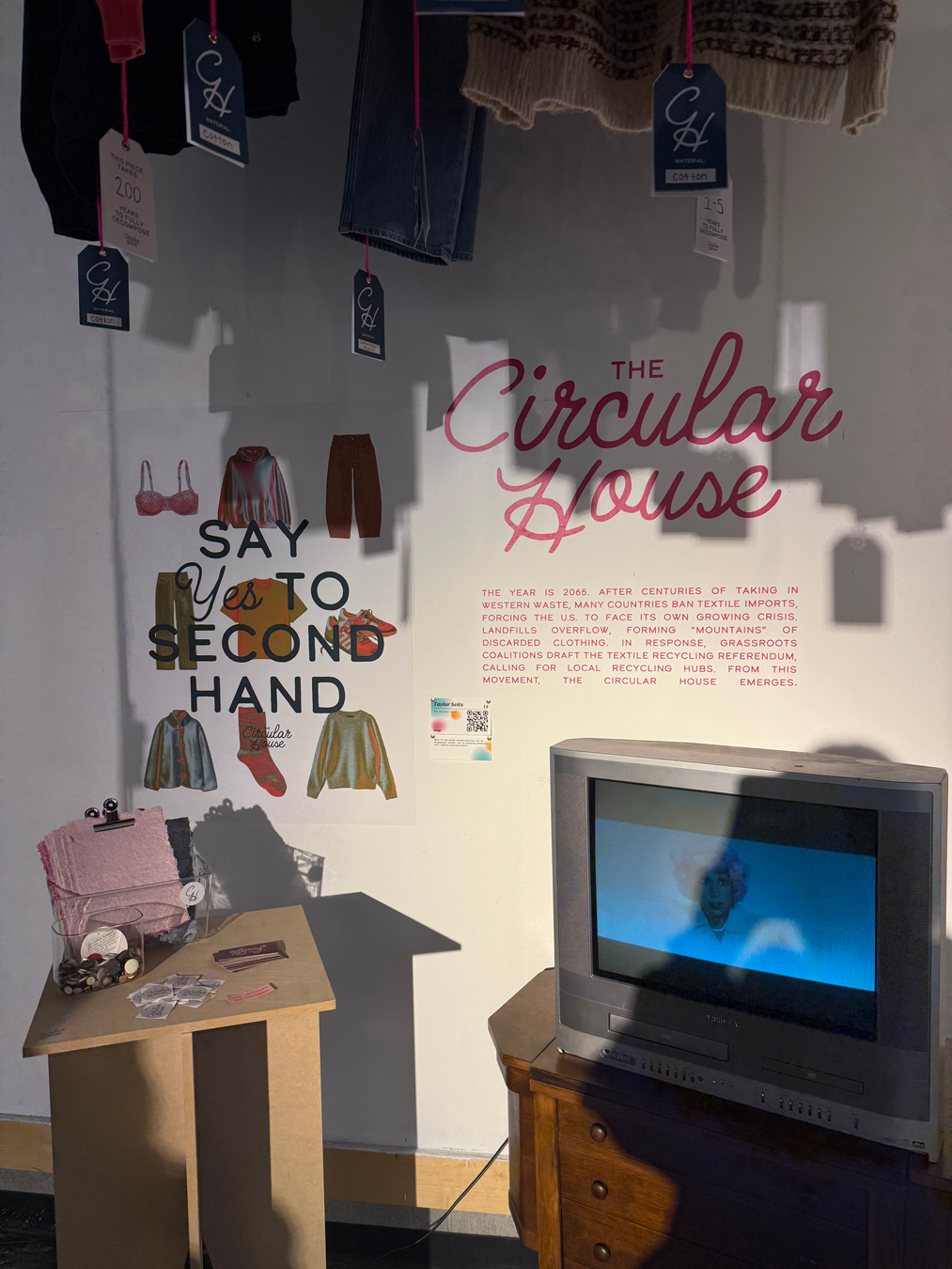
Set in the year 2065, The Circular House imagines a future shaped by landfill overflow after textile exports are banned. With the U.S. forced to confront its own waste, mountains of discarded clothing begin to scar the landscape. In response, grassroots coalitions establish the Textile Recycling Referendum, requiring every city to create a hub for reselling and recycling textiles.
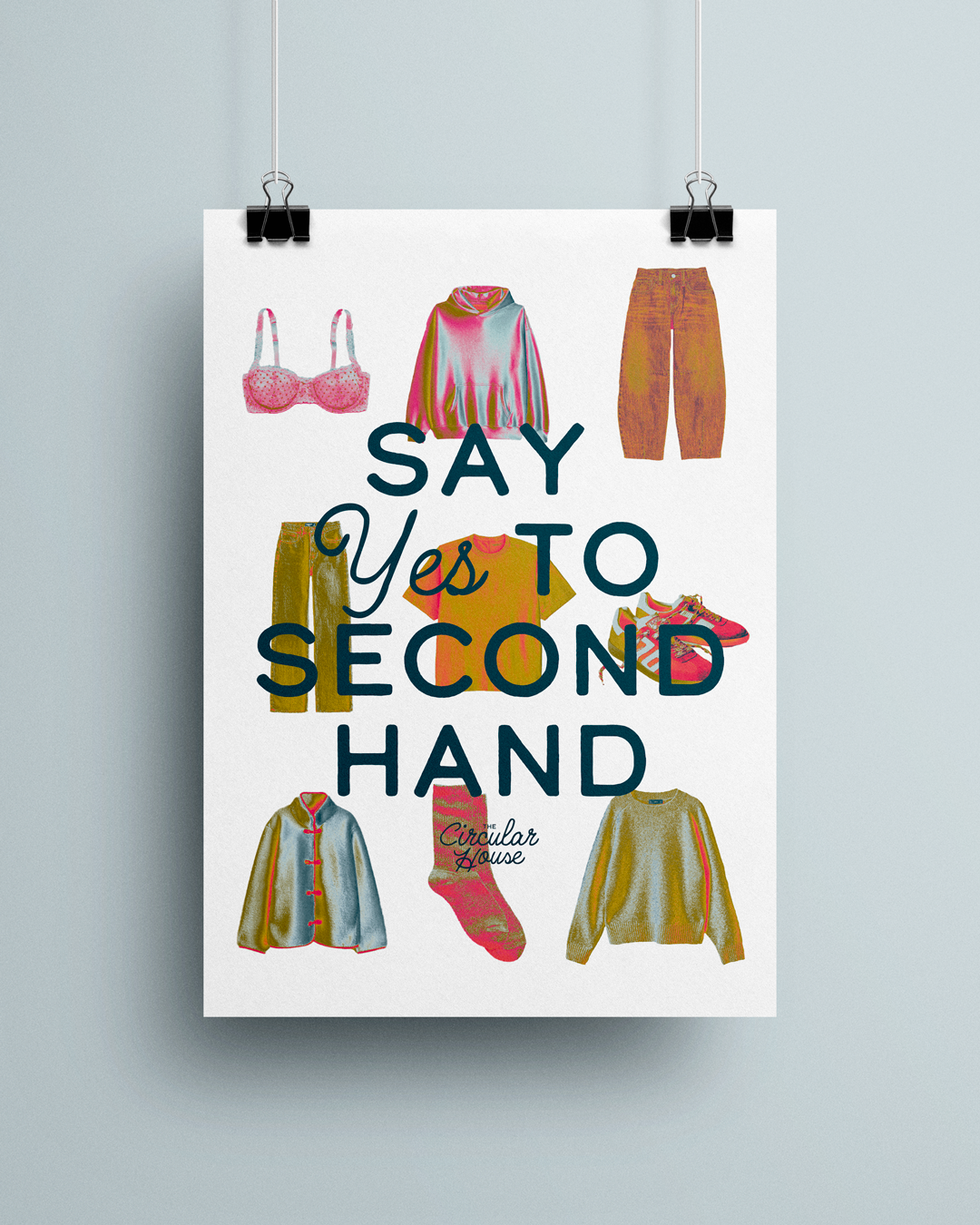
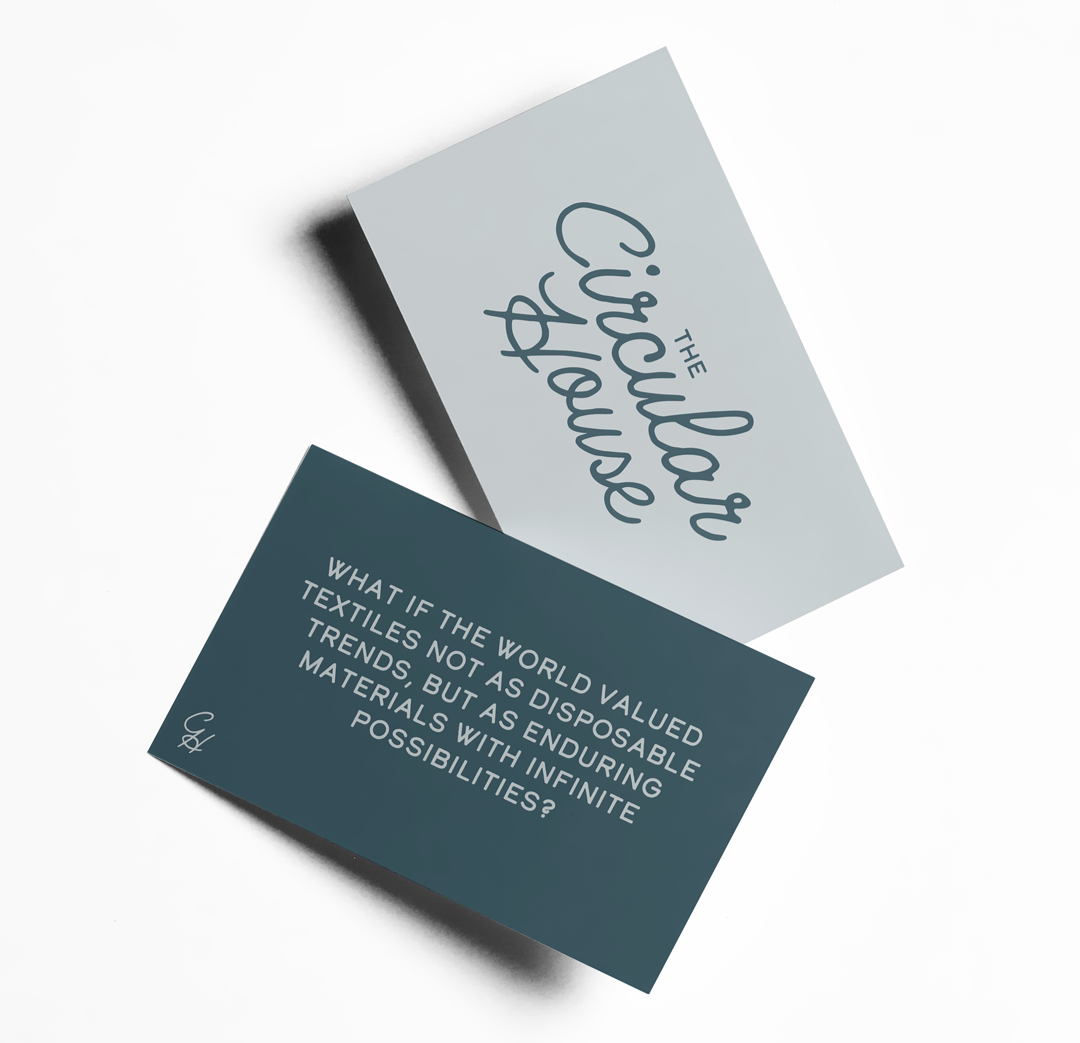
The Circular House was created as part of a semester-long speculative design project. Speculative design asks “what if?”—using imagined futures to challenge existing systems, spark conversation, and push us toward more thoughtful, sustainable outcomes.
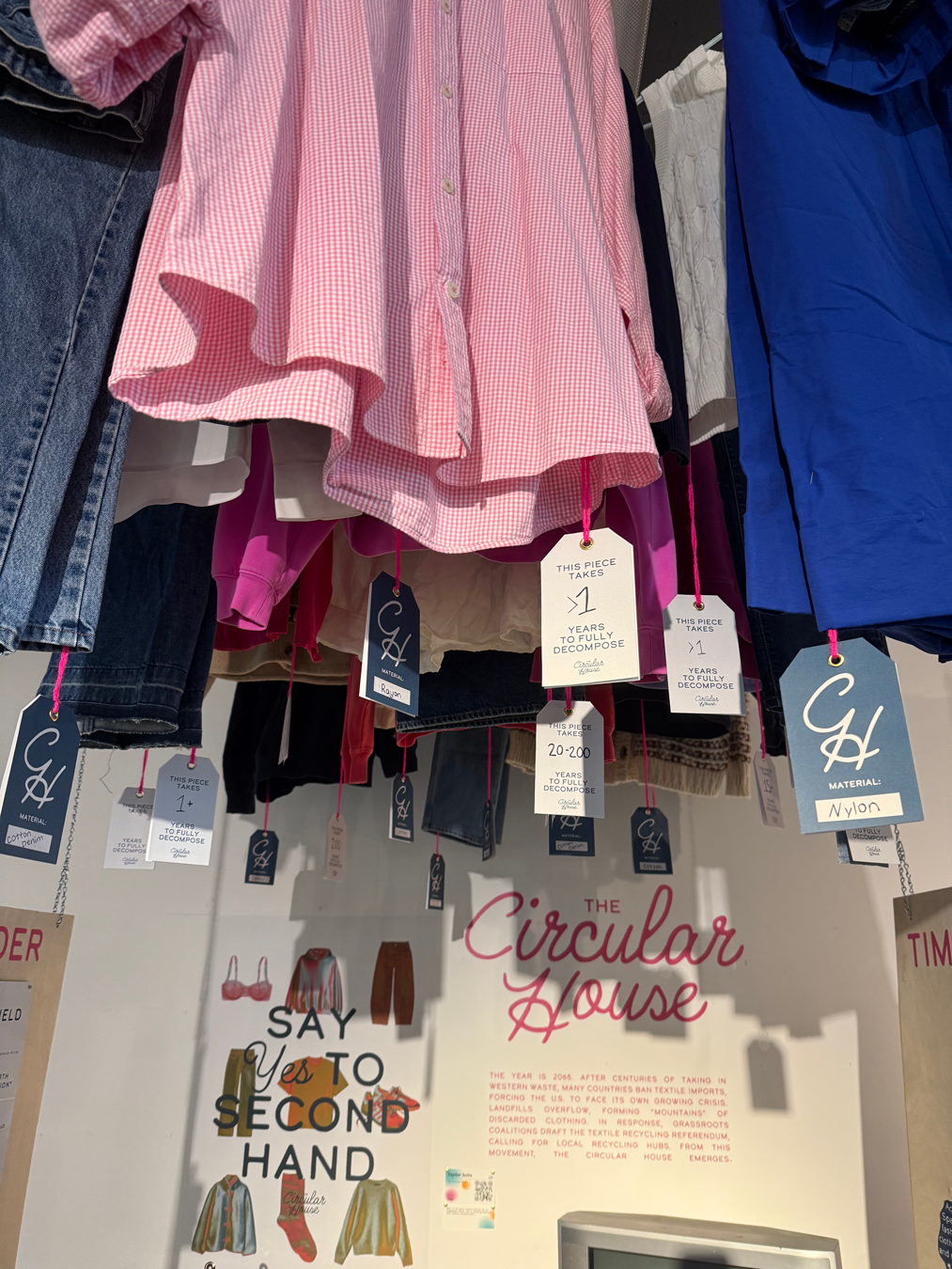
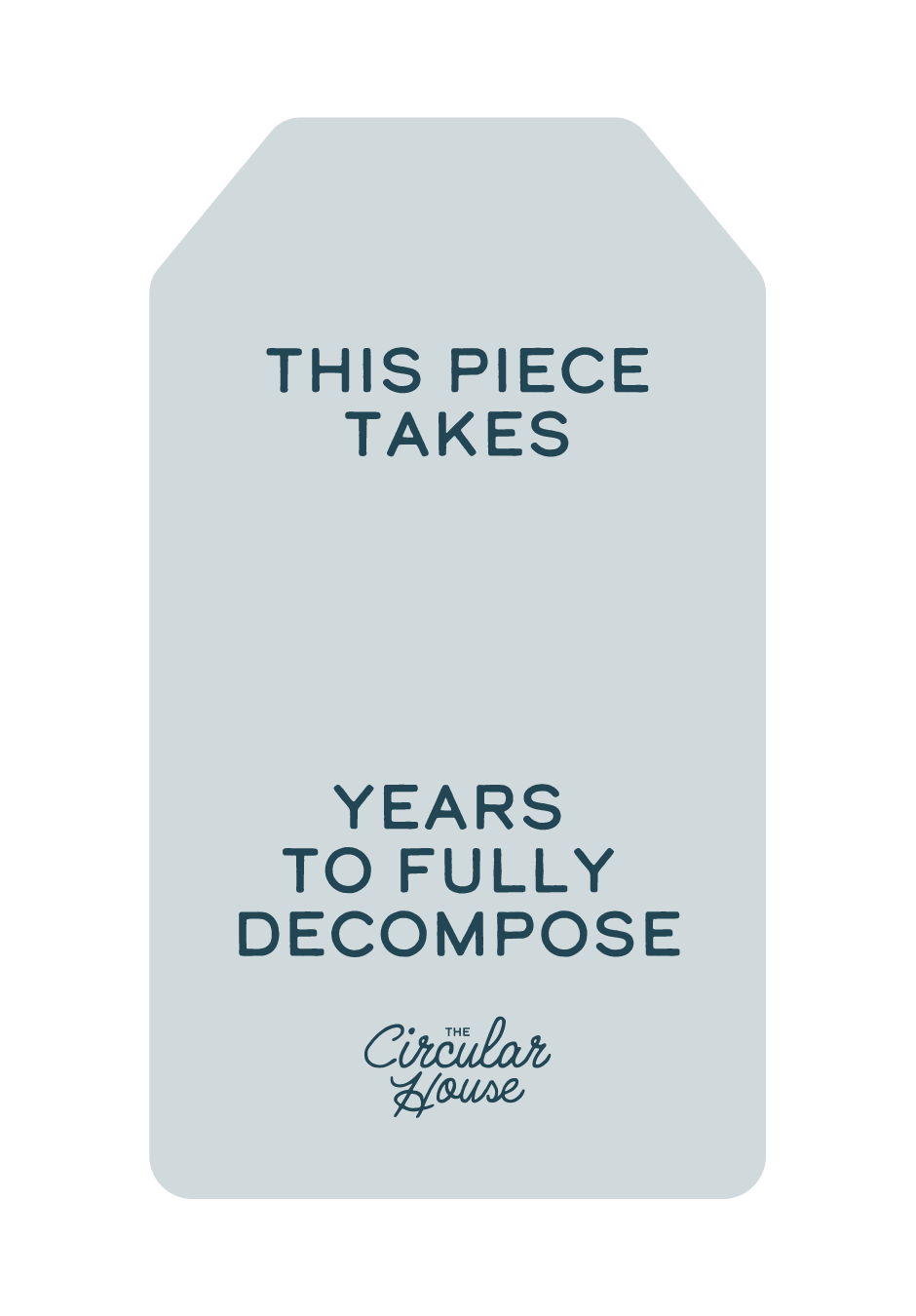
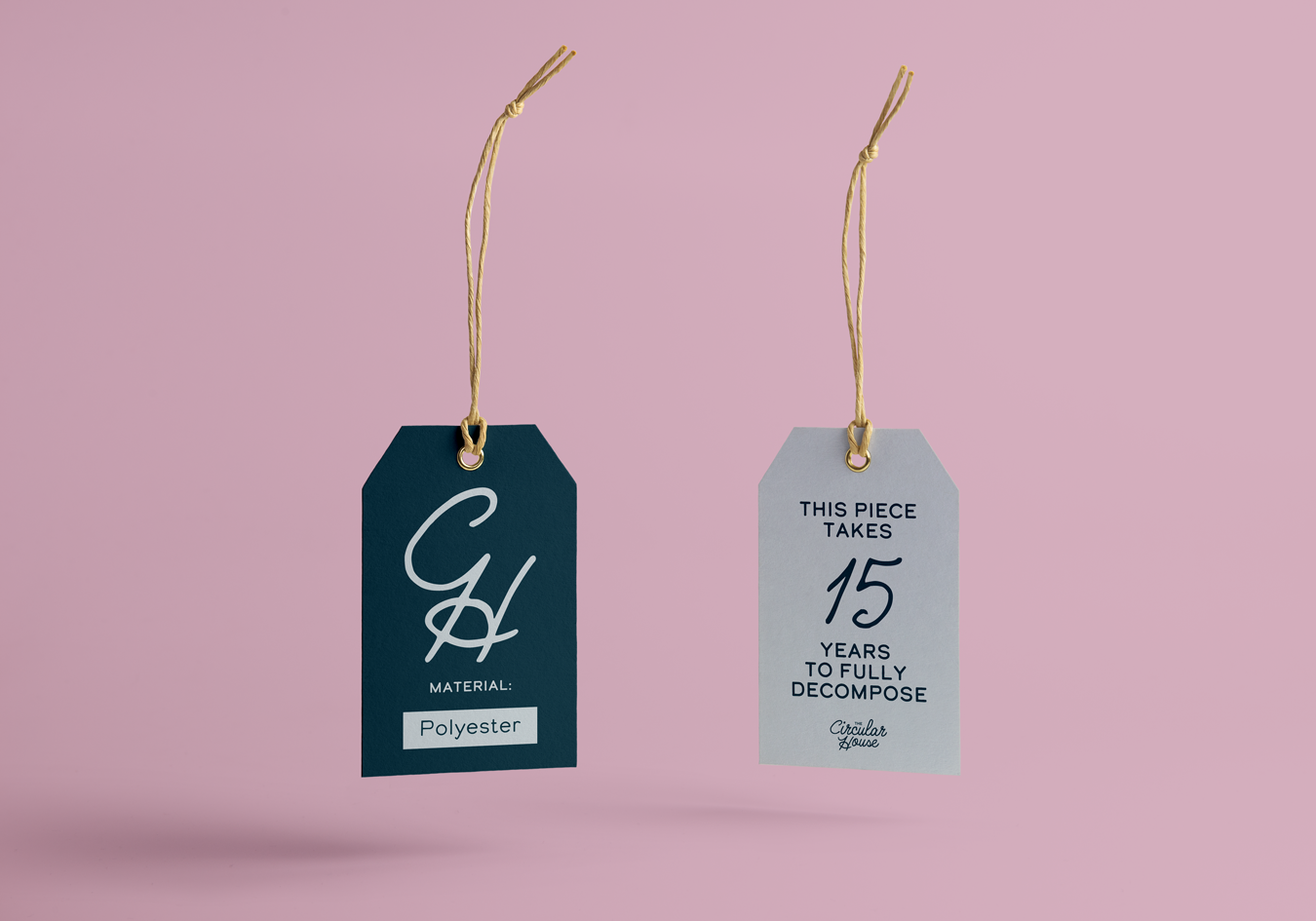
This project began with research into textile waste and its growing impact on our environment. A major contributor to this issue is the fast fashion industry—where clothing is purchased impulsively, worn only a few times, and quickly discarded. Many of these garments are made from synthetic fibers like polyester, which can take hundreds of years to decompose.
Process
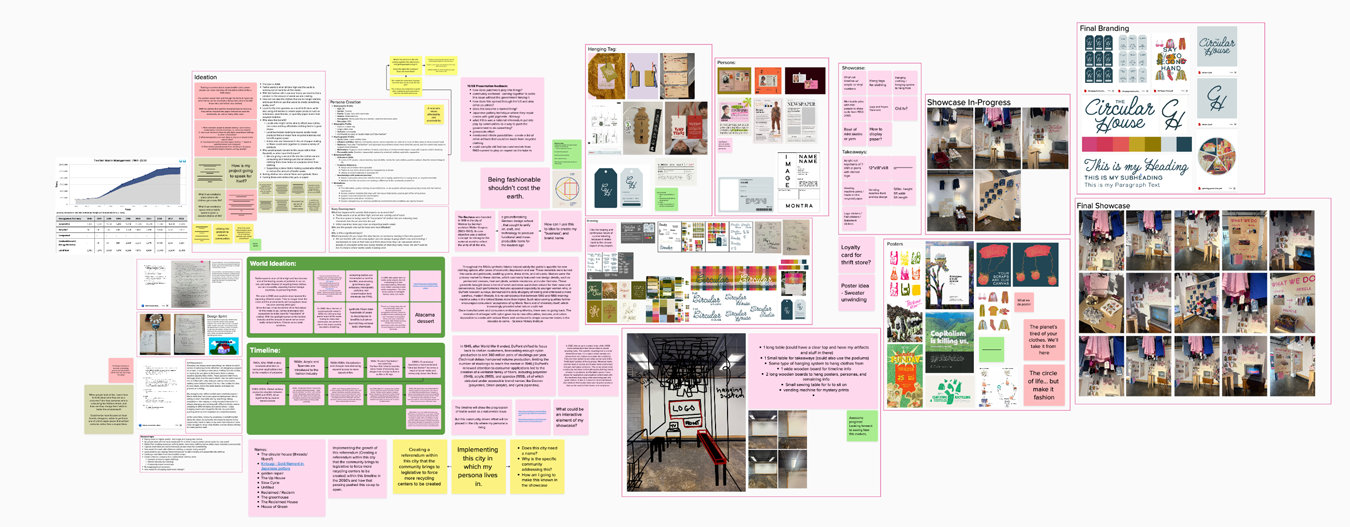
This project was developed through an extensive research and ideation process that combined systems thinking, material experimentation, and speculative world-building. I began by investigating the environmental impact of textile waste, fast fashion, and global export systems, using data, articles, and visual research to understand the scale of the issue.
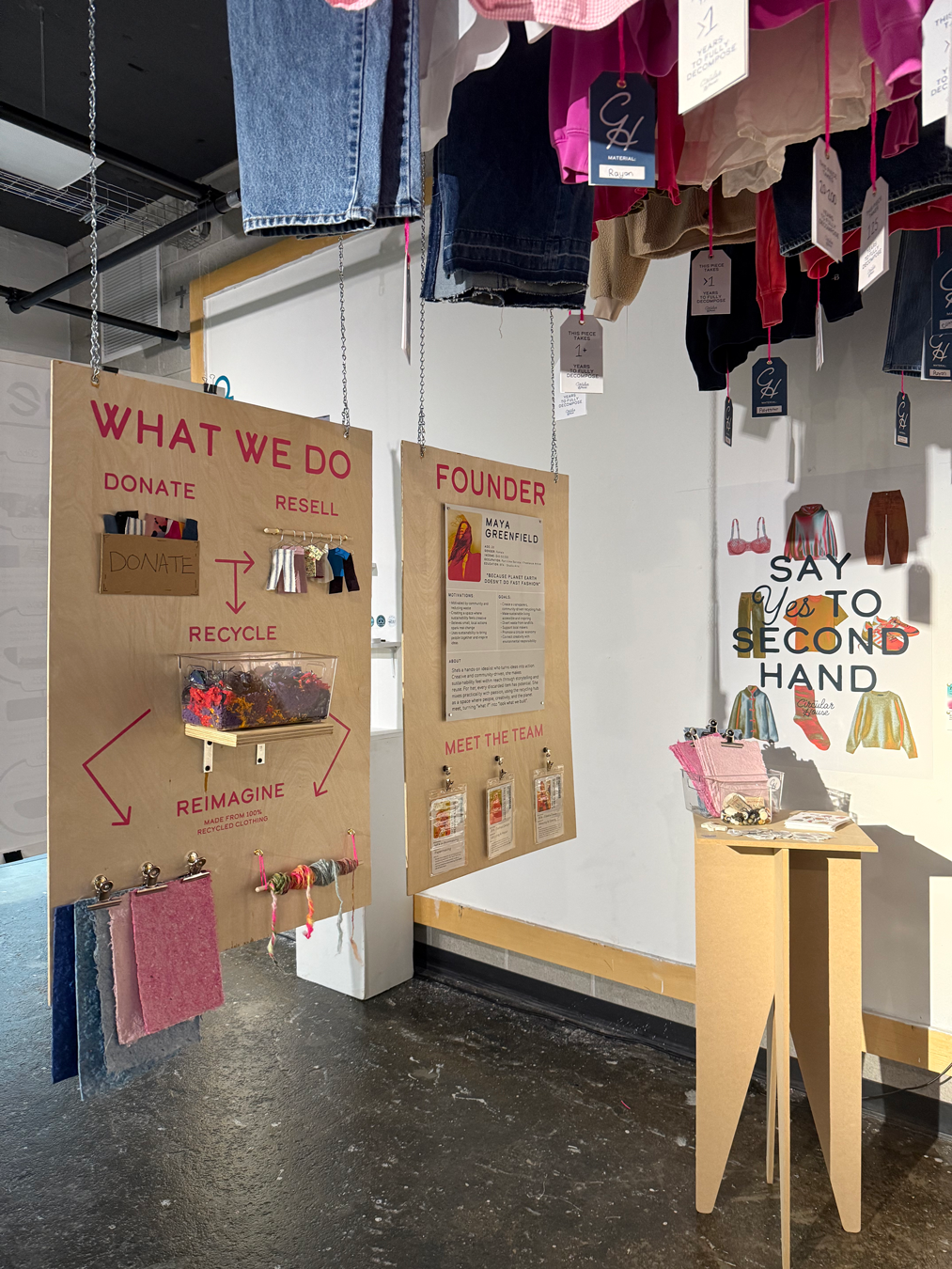
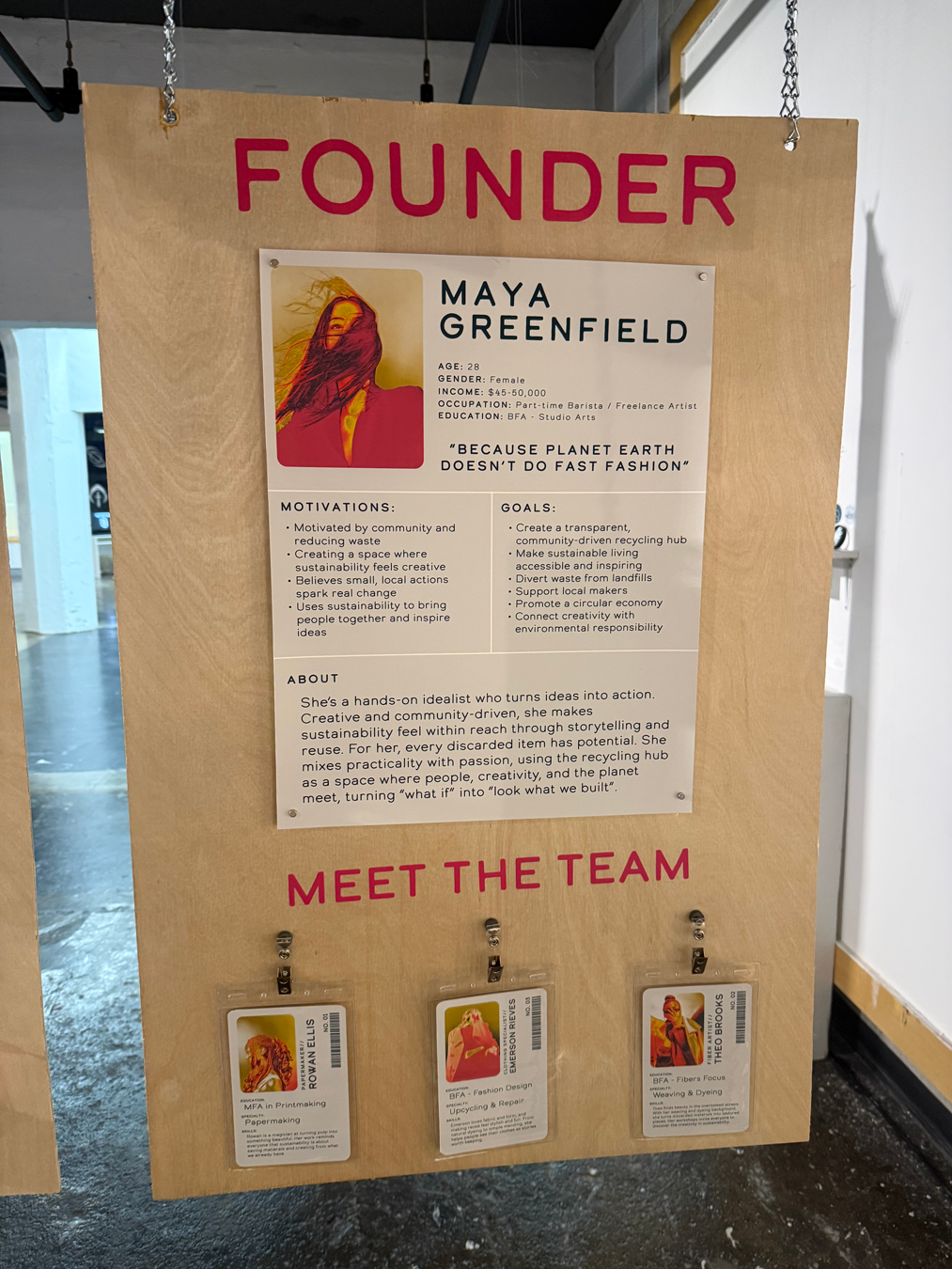
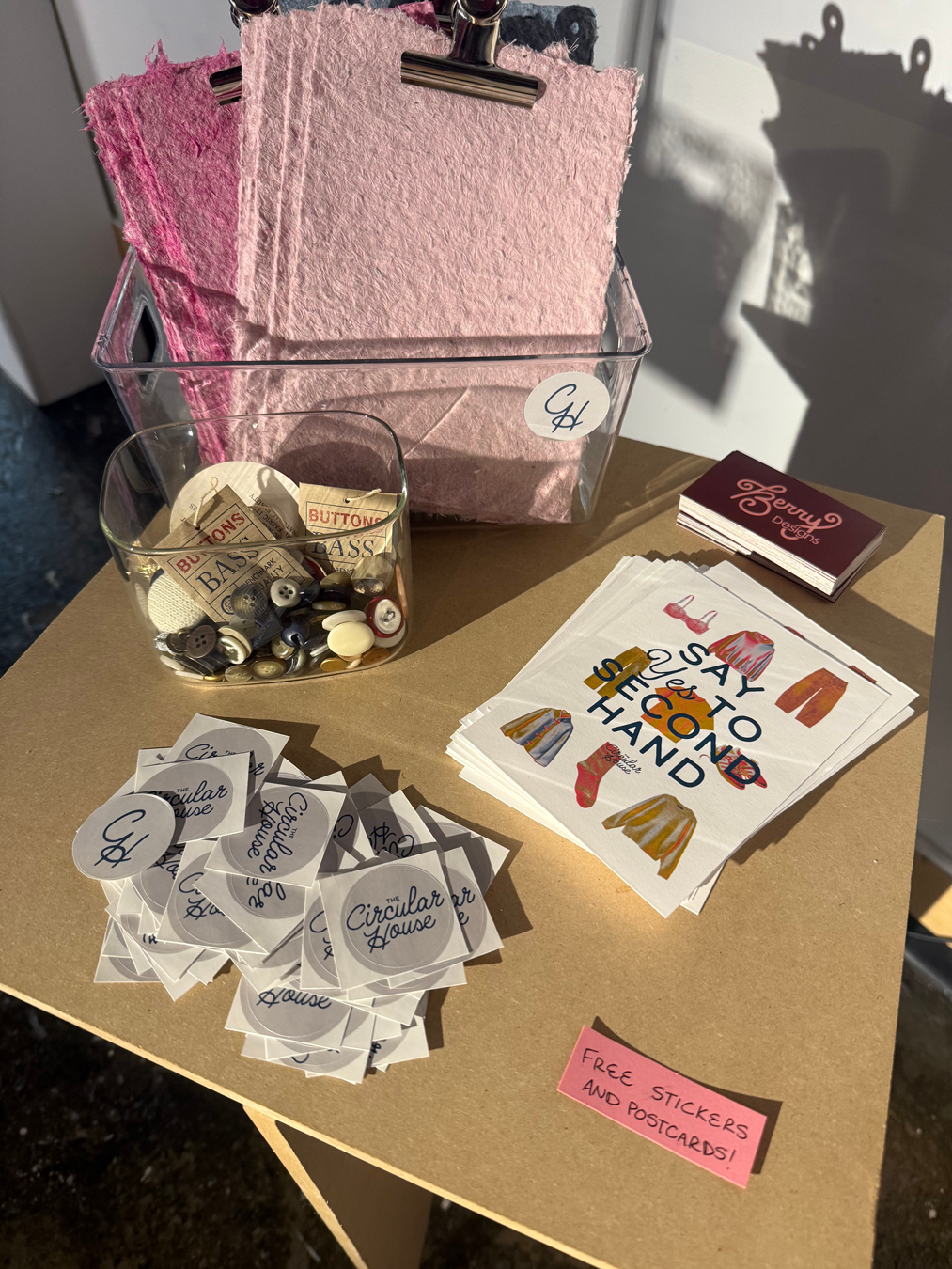
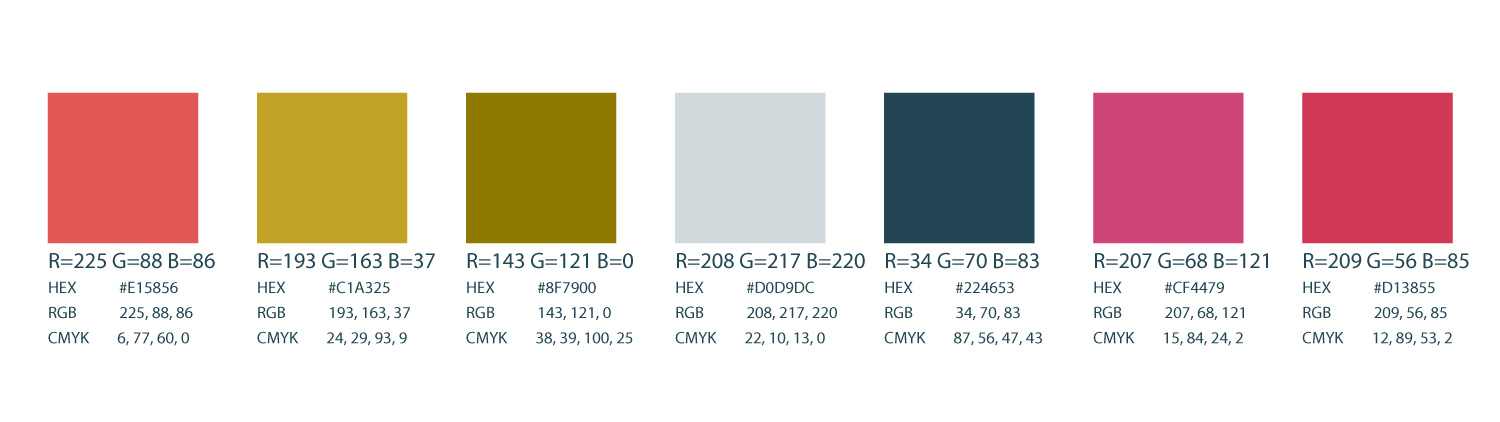
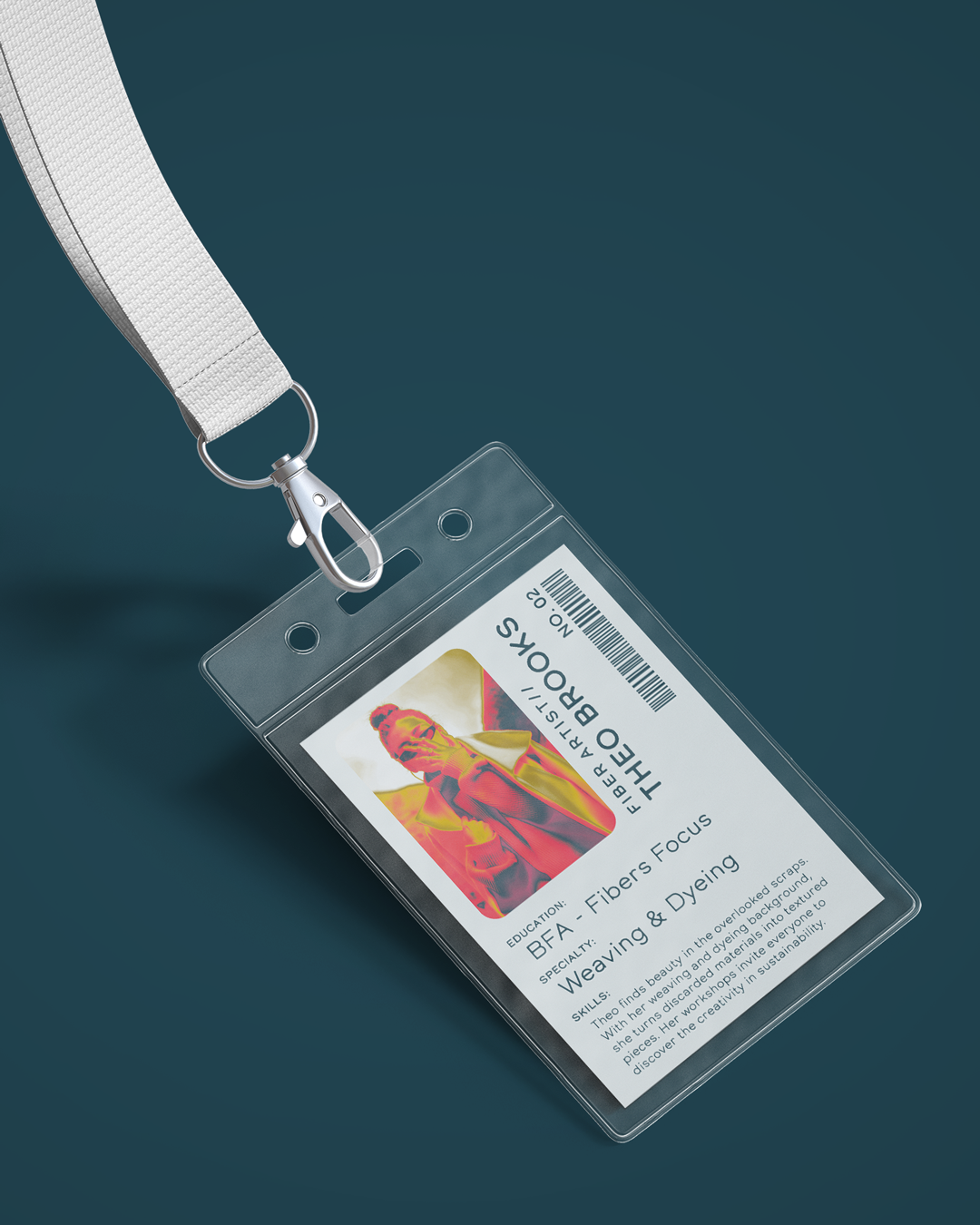
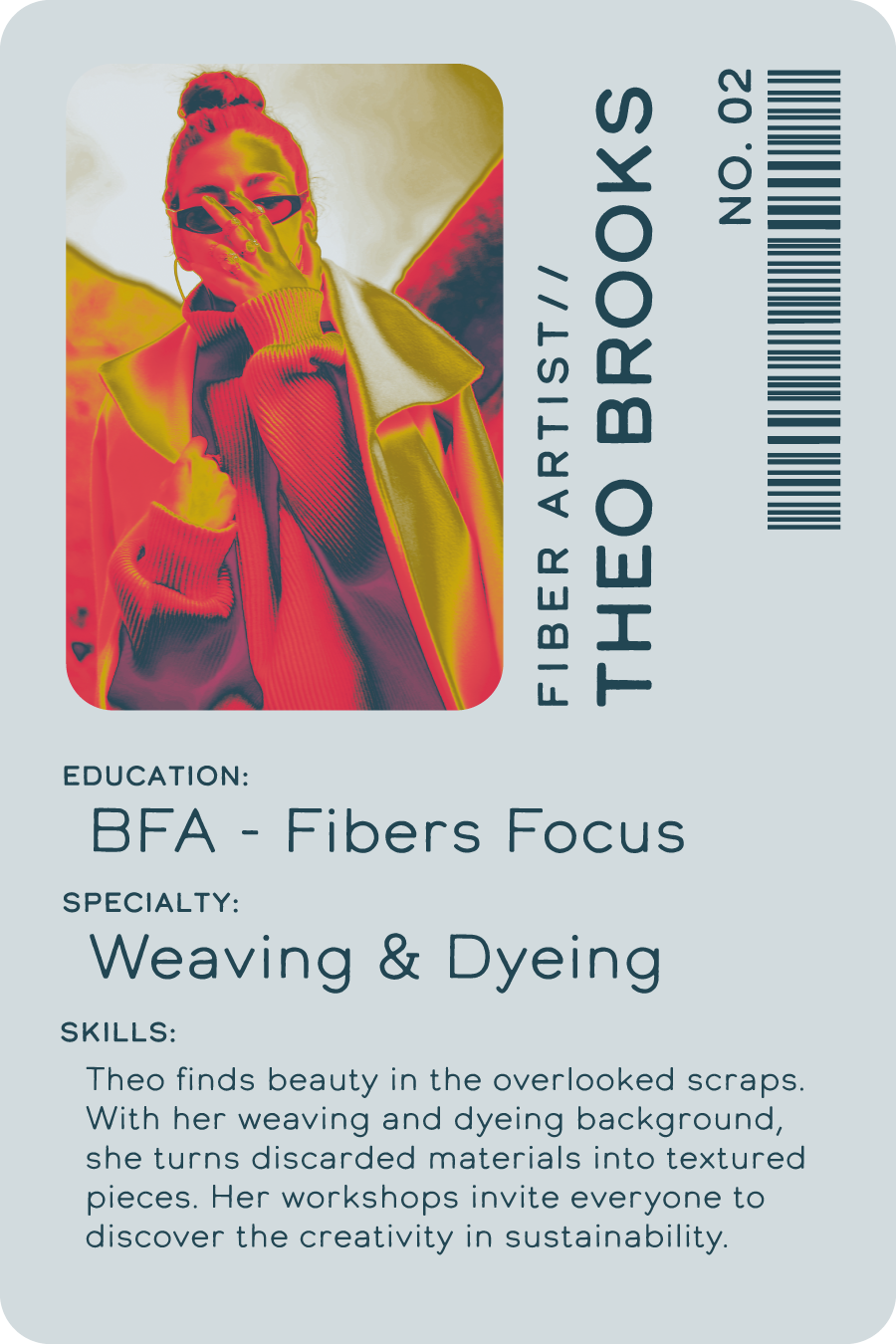
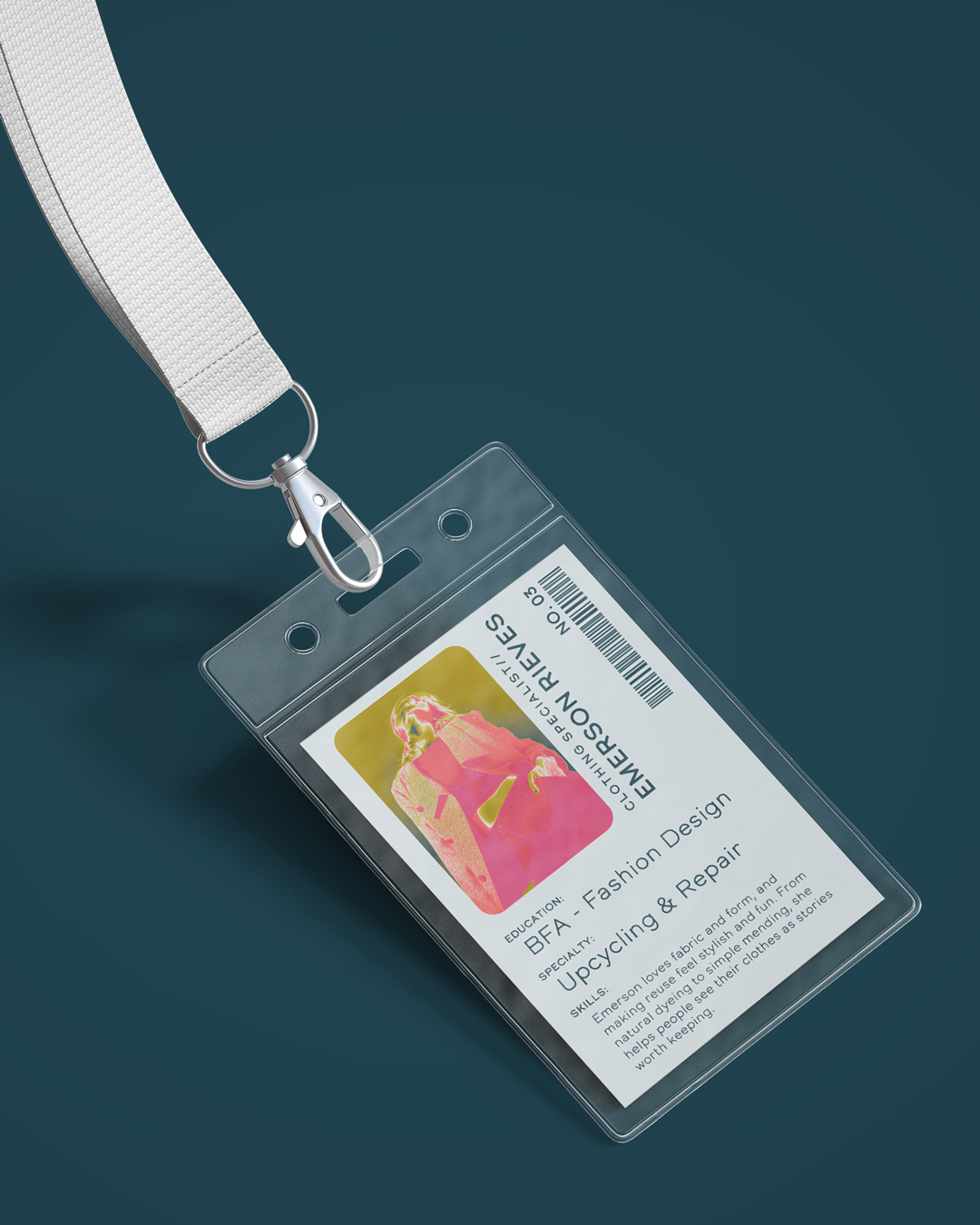
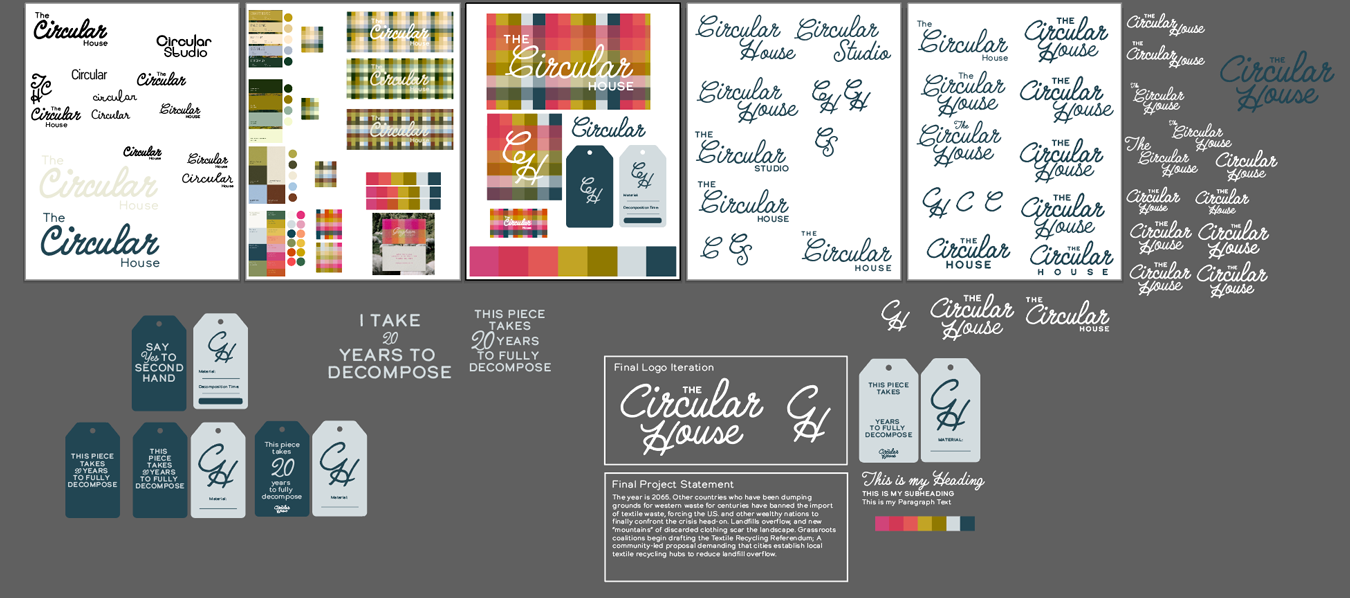
From there, I mapped out possible futures, user personas, and community-driven solutions, exploring how design could intervene at both a systems and local level. This process included brand exploration, color and material studies, typographic experimentation, and the development of physical artifacts such as tags, signage, posters, and recycled-paper samples.
Throughout the project, I iterated constantly—testing ideas, refining narratives, and translating abstract research into tangible outcomes. The final system reflects a future that is not only speculative, but grounded in research, craft, and real-world possibility.

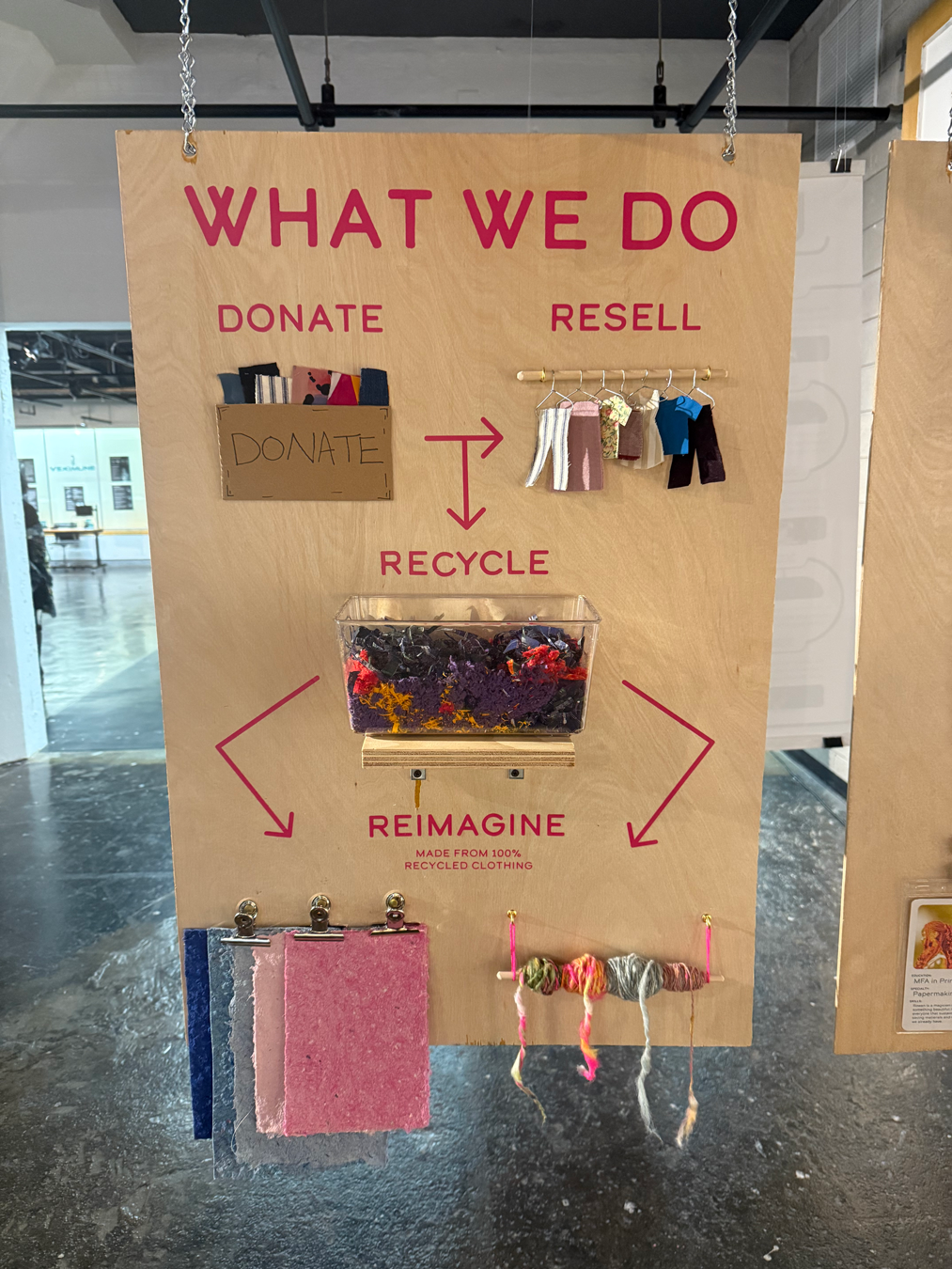
The Circular House functions as both a thrift store and a textile recycling center. Wearable garments are resold at low prices to support the local community, while unusable clothing is broken down into fibers and transformed into paper and yarn.
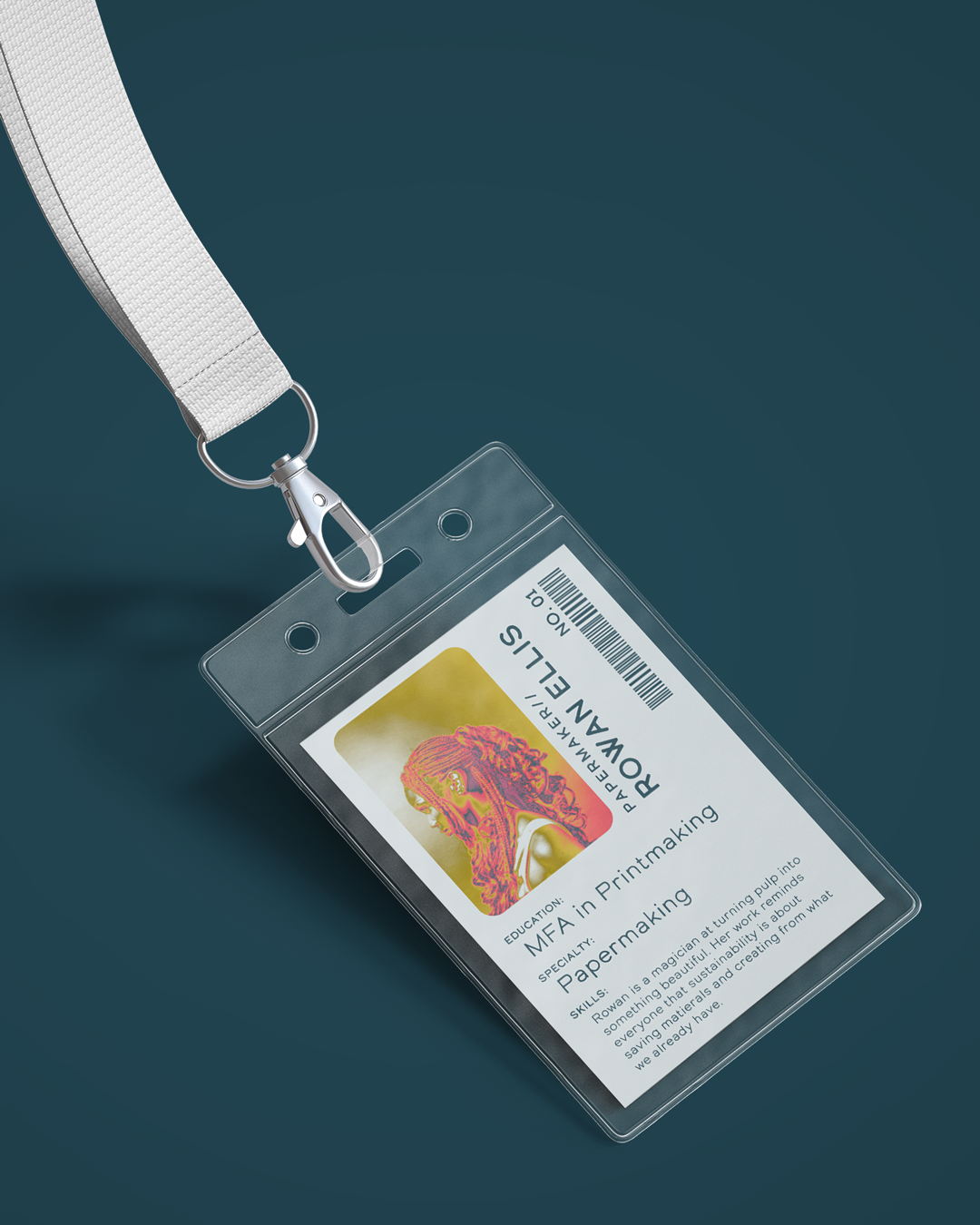
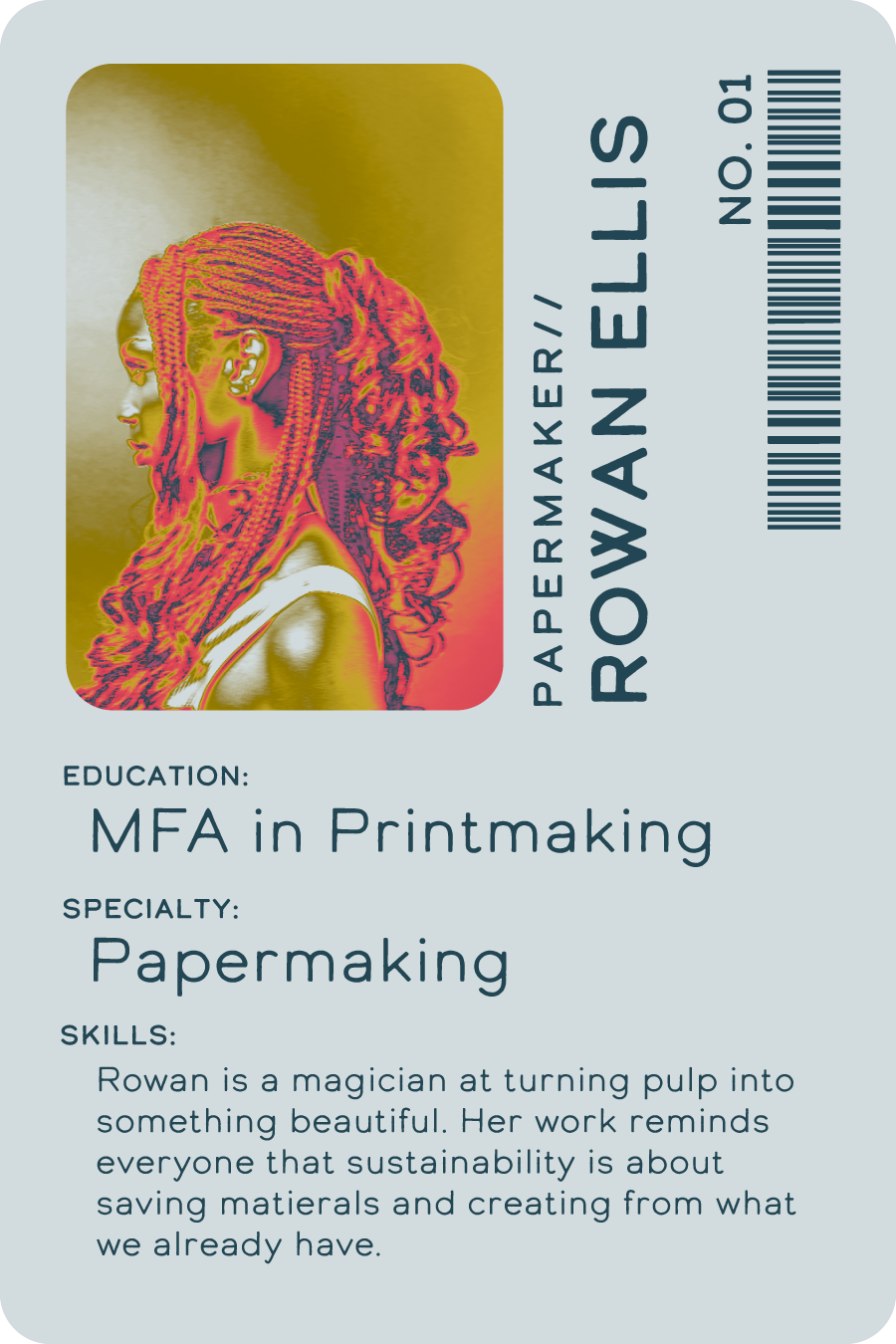
The space also employs local artists and makers who want to be part of something bigger—using their skills to create change directly within their community.